For The People: An Interview With Dälek
New Jersey's industrial-strength hip-hop duo discuss the politically-charged new album Brilliance Of A Falling Moon

Revolutionary rhetoric has long had its place in hip-hop. While a substantial plurality of today's artists seem to have fully divested from politics in their music as well as their public lives, a history that dates back to proto-rap progenitors like Gil Scott-Heron and The Last Poets remains well documented.
In our current, incessantly divisive era, one might understand why a subset of listeners hunger for a next gen iteration of dead prez., Public Enemy, or Paris. When Vic Mensa steps into frame on your preferred social media video app, peeling an orange and reflecting frankly on the day's events, you may very well welcome his message. When older indie rap vet Sole emerges with a politically charged yet personal album like the recent Dads At The End Of The World, you might be among those who instinctive open your wallet to support it.
Yet for far more people who engage with(in) the culture, the dystopian arc of present-day life, manifesting all around them on macro levels, instinctively demands a retreat. There's a palpable nostalgia for, say, Chief Keef circa 2012 or Jeezy in his Trap or Die bag, exemplified in meme videos hosted on the very same apps that actively spread misinformation as a feature, not a bug.
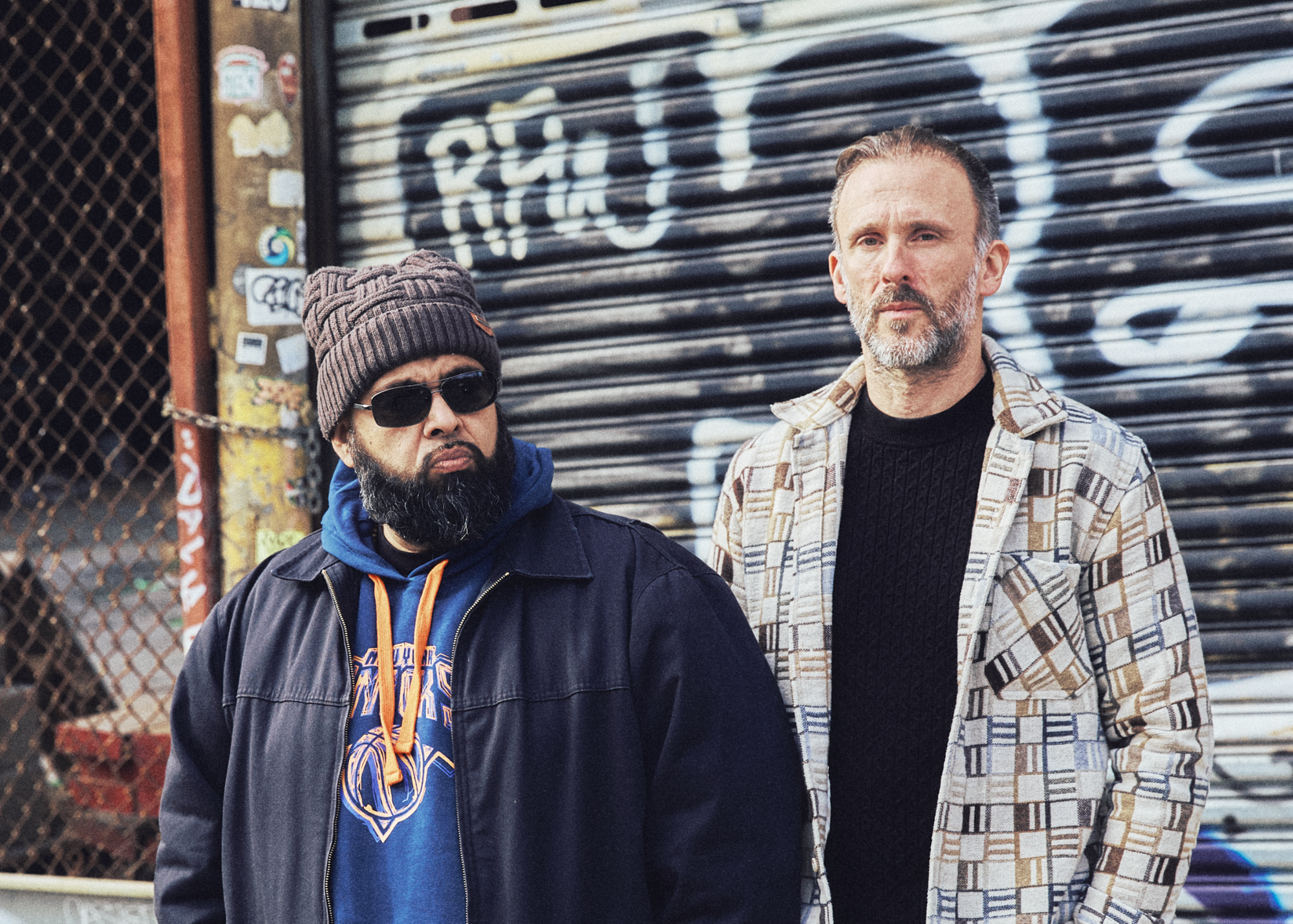
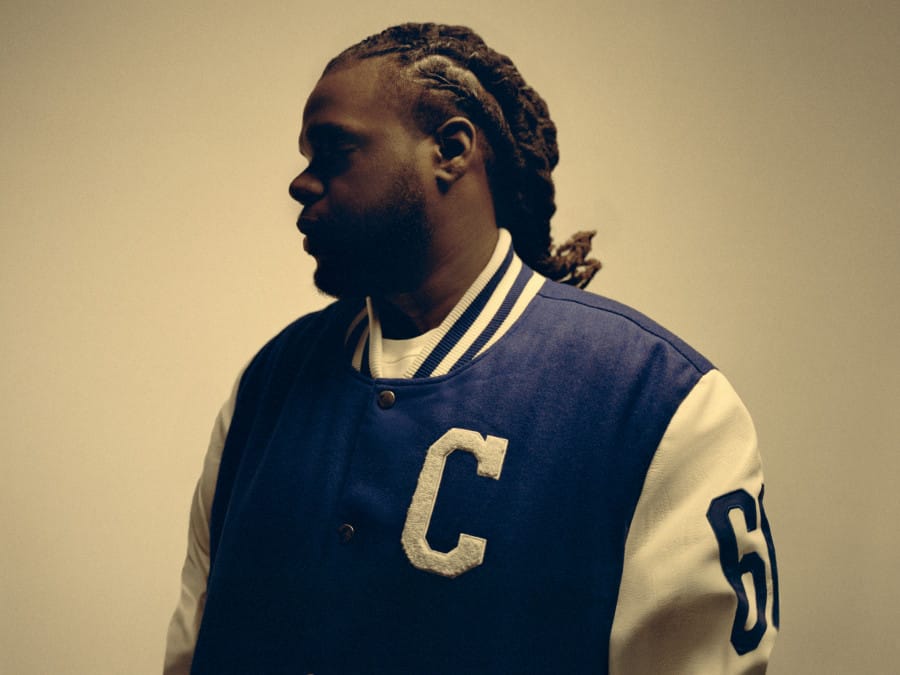
Will Brooks–best known as the namesake emcee behind Dälek–understands all of this. "I don't feel like all music needs to be a call to arms, but now more than ever, if you have something to say, say it, man."
Those familiar with his long-running industrial-strength hip-hop project know that Brooks never, ever shies away from speaking truth to power. From earlier albums Absence and From Filthy Tongue Of Gods And Griots through more recent efforts like 2022's pandemic-born Precipice, the New Jersey mainstay has spent some three decades of his career lyrically and sonically raging against the machines of repression with a caustic and poetic sense of justice and righteousness. "My style has always been evolving and keeps evolving," he says, "but I've been trying to tell people about this shit since the beginning of my first record."
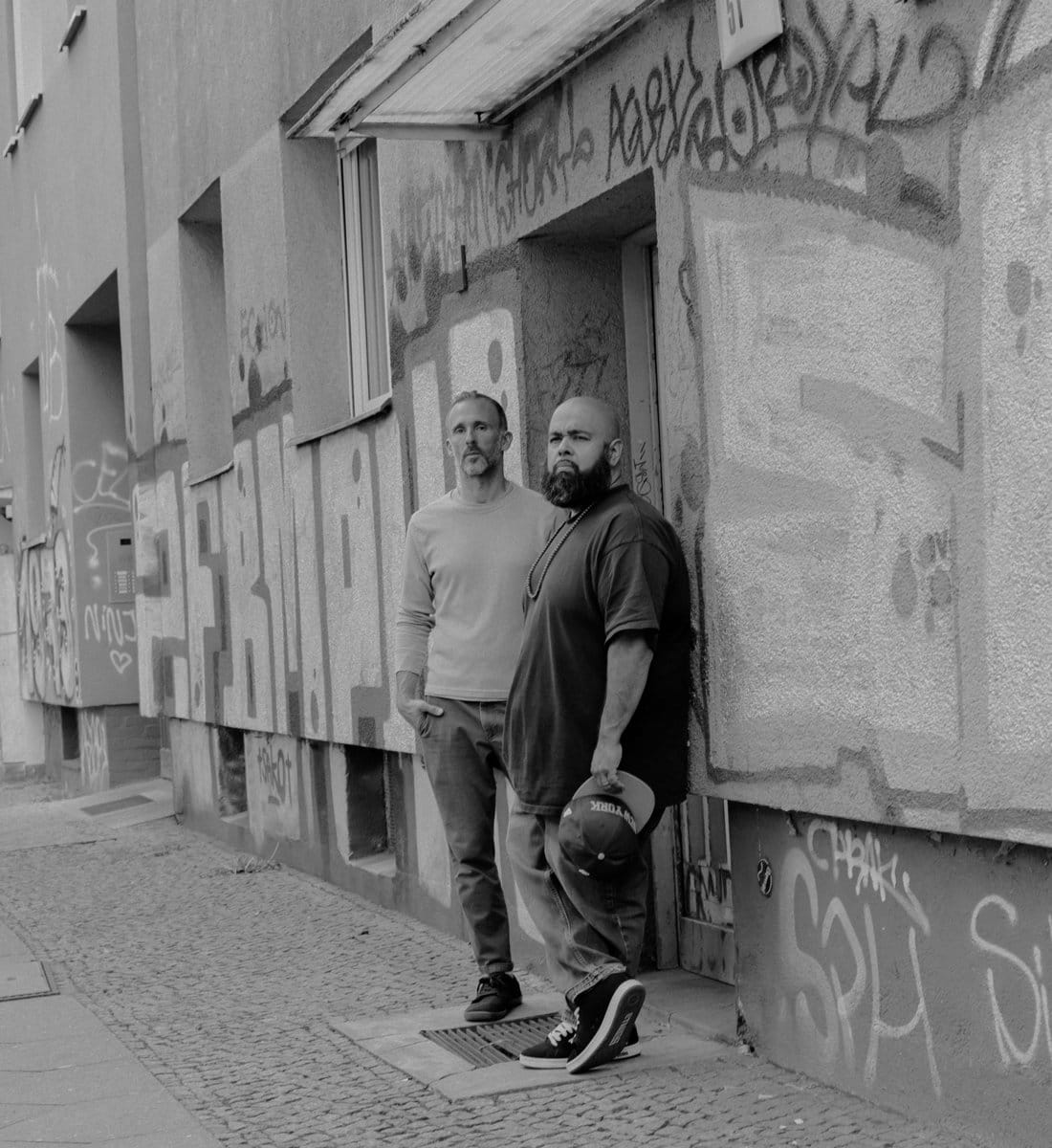
Operating primarily as a duo since 2016's Asphalt For Eden, with Mike Mare co-producing alongside Brooks, Dälek rise to the occasion once again for their latest, Brilliance Of A Falling Moon. Released via Ipecac Recordings, a label known to hip-hop heads for co-owner Mike Patton's projects like Nevermen and Peeping Tom, the album directly addresses the gravity facing contemporary American life, especially for non-whites.
"As a person of color, this moment is very fucked up, but it's been fucked up for my entire life," Brooks says. "This is my motherfucking country. Where do we live when motherfuckers are straight up running up on you asking for your papers? What the fuck? What is that?"

A lot has happened, in the world and otherwise, since you guys dropped Precipice four years ago. What was it like for two of you to be able to work together again on this new album without pandemic limitations?
Brooks: Time become way more precious, so we got together when we could and made the most of the time that we had to make. That pressure and that timeframe, even though the deadlines were kind of self-imposed, all of that is what really shaped the album. There were days where we would work on 10, 20 ideas, just work nonstop and just record.
Mare: It took us over a year. But if you condense all the sessions, it was like two weeks combined that we worked [in] total. When we got together, we'd throw around a bunch of ideas and write together. The pandemic taught us how to use time better.
Brooks: We went back to the way we started; me on a MPC3000 and Mike on effected guitar. We came up with the parts as went–not that every idea ended up being used, because they weren't. We listened back and found the ones that we, as a group together, felt could be the album. The songs were there. We added minimal overdubs here and there, but for the most part, I recorded the vocals and we went back and sculpted what was there to make the arrangements feel better.
It's still this wall of sound, it's still heavy as fuck, but it's like the layers gave it this depth. With the vocals sitting in a new place, where the sounds are, it just kind of hit harder. And I think it's the nature of leaving it so raw, leaving the way we recorded it.
Mike, as the non-vocal half of this group, what was your response to hearing lyrics on these tracks for the first time, compared with previous work you guys have done together?
Mare: I love that Will approaches his lyrics in a different way each time. There's always a fresh perspective of what he's saying. Like he said, the world has been the same way for his whole fucking lifetime. He can take something that's from that very specific moment in time, but also make it seem much broader and not, oh, this happened on this date in 2016. or whatever, something like that.
After we wrote the music and he wrote lyrics to it, we shaped the sounds of his words and really put the vocals more in the forefront, more so than we ever have before. Beyond what he's saying, the words are really guiding the entire album. It's got a lot to say, and the way he says things that are horrific is done so beautifully.
On the track "Substance," there's this refrain, the nonverbal emcee is suspect, repeating throughout. Why was it important to call this particular thing out? What responsibility do you feel that other rappers have at this particular moment?
Brooks: Everyone's dealing with it the way they feel they need to deal with it. When I was a kid, having the cops coming up, being stopped on a regular basis, being asked, Where are you going? Where are you from? Very normal. I was lucky, because I have friends that had worse than that. Maybe it wasn't ICE back then, but it was the same shit. It's just that now it's amplified.
For me, I'm writing about it because the anger inside of me is bubbling up. That's what this music has always been for me, a way to channel that anger and frustration, all the things that I need to say out loud–in a positive way. There's other people that don't have an artistic outlet to get those things out and maybe they resonate with the things I'll say. And if that helps them, then good.
Throughout this album, you draw upon a history of resistance, perhaps most overtly with "I Am A Man." On"Expressions of Love," you invoke James Baldwin's response to being asked if he was a revolutionary writer. How did those historic elements inform the composition of what is essentially a very contemporary album?
Brooks: It's like finding samples on a record. The Baldwin thing was so perfect for that song and it makes the song what it is, even though the song was there before I decided to put the Baldwin samples in. I feel like his parts are the third verse, you know what I mean? It says everything that I didn't say in the other two verses. It sums up the song perfectly. And then "I Am A Man," I can't really pinpoint how and why it came together. But I was thinking about current times, again, with being asked for your papers simply because of the color of your skin. And then I was thinking back to the 1960s, the pictures of Black men with the sandwich board signs that read I Am A Man in giant capital letters. It's still poignant today. That sparked the idea of having the whole song more than just a hook. Every line of that song begins with the line, "I'm a man," and I continue from there.
Mare: I think a lot of people who write lyrics, in any genre of music, hope that something can be remembered or heard 40 years later and it's still significant.
Brooks: My subject matter hasn't really changed, because the world really hasn't changed. It seems of the time maybe just because people are more in tune with what's going on, but these things have been going on since way before I was here.
You're playing some shows in support of Brilliance Of A Falling Moon, including at Roadburn in The Netherlands. It's a great metal-oriented festival, but this time it's showcasing more hip-hop on the bill, Billy Woods and ELUCID of Armand Hammer are also on the lineup. Seeing how Dälek has achieved a level of acceptance from the metal or hard rock community, to what do you attribute this openness to other hip-hop artists from an audience like that?
Brooks: I'm proud to say that we were the ones to open that door at Roadburn. They've told us so, that because of our performance there, the festival decided to open up and bring in more outside of metal. I'm sure there's a ton of metal purists that are going to hate us, but that's fine. love the fact that the Billy Woods, the ELUCIDs, the Moor Mothers has been invited. It's well-deserved and their music is incredible. There's no reason why they shouldn't be playing in front of thousands of people. I think it's dope, man.
I don't know if it's a testament to our music or that we've been doing this for 30 years. We opened doors just because we kept smashing our heads against them, but I'm glad that we have. And it wasn't just us, just everyone that was doing left field, noisy hip-hop, everyone that was coming up. Now it's more accepted. We're not the only ones, and that's great.
Mare: I wouldn't even say it's even left field [or] noisy. It's just freakin' hip-hop.
Brooks: Yeah, it's just hip-hop.