Knicks In 5, Wiki In '26
What makes a "real" New Yorker real? The U.W.S. indie rapper's new album 'Ancient History' defines it poignantly.

What constitutes a quote-unquote "real New Yorker" has been a hotly debated topic of late. Between the bandwagon jump accusations lobbed like free throws during the Knicks' historic NBA Finals run and Bronx-born Jennifer Lopez's recent Subway Takes take, defining whose experiences count among the proverbial eight million stories proved highly contentious subject matter within and beyond the five boroughs.
As a native New Yorker who continues to call Queens his spiritual and literal home, I can't recall a single time in my nearly five decades of life where I saw so much questionably crisp, suspiciously spotless Knicks gear on display than in the past two weeks. Truly, other than the time I got blessed with lower bowl tickets to see them (sadly, lose to the Celtics) at Madison Square Garden back in 2002, this currently ubiquitous blur of blue and orange in my general field of vision used to be reserved primarily for Mets fandom. For those who've been holding it down since 1999 or earlier for the city's only basketball team, you retain my respect.
Furthermore, much of the fresh negativity radiating in J-Lo's direction seems to be coming primarily from two types: (1) her enduring haters, never missing a chance to gleefully dunk on her, and (2) NYC residents who fail to meet her rigid criteria. During their in-transit chat, Subway Takes host Kareem Rahma–who moved here in 2012, the same year the New Jersey Nets opportunistically slithered across state lines–even conceded her point while also parroting another one I've only ever heard uttered by transplants: the ten-year rule. I don't know who came up with this idea that a decade spent in NYC automatically granted one the right to claim New York, but chances are they weren't born within the city limits.
Ma$e, whose 1997 album Harlem World holds no small amount of cherished space in the hearts and minds of many who dwell here despite him being born in Florida, modified Lopez's viewpoint with one closer to my own:
"If they didn't go to high school there then they're definitely not from there. But if you been there since kindergarten, pre-K, all the way through college, where you from then? I see what she's trying to say, but I'm definitely from where I'm from."
Growing up in Queens, demographically the most diverse locale on the entire planet, I cannot in good conscience exclude the children of immigrants from "real New Yorker" status. That, of course, includes countless Puerto Ricans, Dominicans, Cubans, and other Latinos who Lopez encountered during her tenure in the Catholic school system who assuredly consider themselves as real as they come. For thirteen straight years, across four different schools, I was in class with Romanian kids, Chinese kids, Jamaican kids, Yugoslavian kids, Indian kids, Bukharian kids, and so on, most of whom were either born abroad or whose parents were. By the time they all graduated high school, nobody could tell them shit, certainly not the Irish or Italian kids who had a couple generations of NYC heritage on them.
Over these past couple of weeks, the reactionary outrage and outright dismissal on the part of New York City transplants–a category distinct from immigrants in that they grew up elsewhere in America and moved here in adulthood–raises some familiar concerns. Many who fit within that particular grouping would be hard pressed to name many, or any, friends who are native New Yorkers or otherwise grew up here, instead more prone to finding community in their neighborhoods and otherwise with folks whose circumstances closely resemble theirs. Indeed, Williamsburg existed before the hipsters showed up in the late 1990s, right around the time future Knicks point guard Jose Alvarado was an infant there.
For all the right-wing chatter about Latinos and Muslims purported failing to culturally assimilate into American life, it often seems relatively few who moved to this city after college to pursue careers or passions care to engage beyond the superficial or transactional with those who built our entire lives here. That's a genuine shame, because if these transplants did deign to speak to us beyond fussy bodega orders and petty noise complaints, they might come to the realization that a lot of native New Yorkers largely agree with J-Lo's and Ma$e's assessments.
It legitimately hurts to be edged out and priced out from the place where you were raised, especially by people financially supported by their suburban parents or working the white collar professional jobs that many of us are institutionally excluded from. The persistent grumble over gentrification and cultural whitewashing across the city grows louder as its streets turn increasingly unrecognizable to lifelong denizen so as to better accommodate the consumption preferences of newcomers from, say, the Midwest or the South. Yet even with a Democratic Socialist Muslim mayor in power, the voices of NYC natives still seem perpetually dampened and diminished by default.
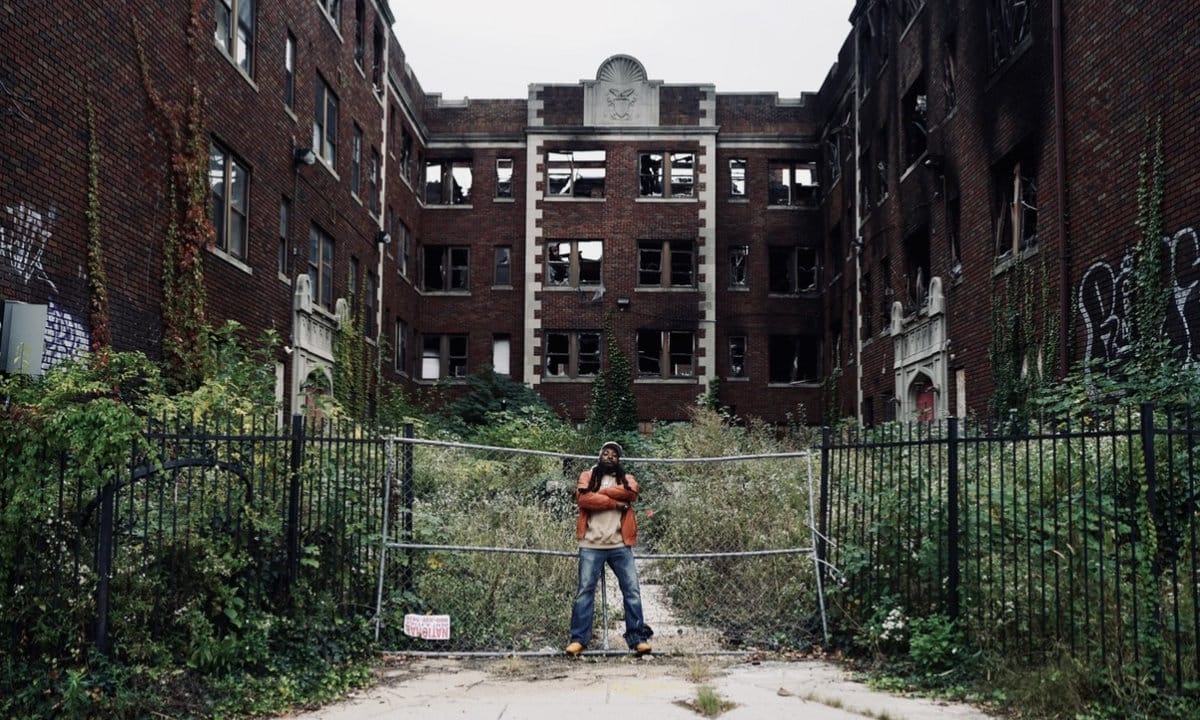
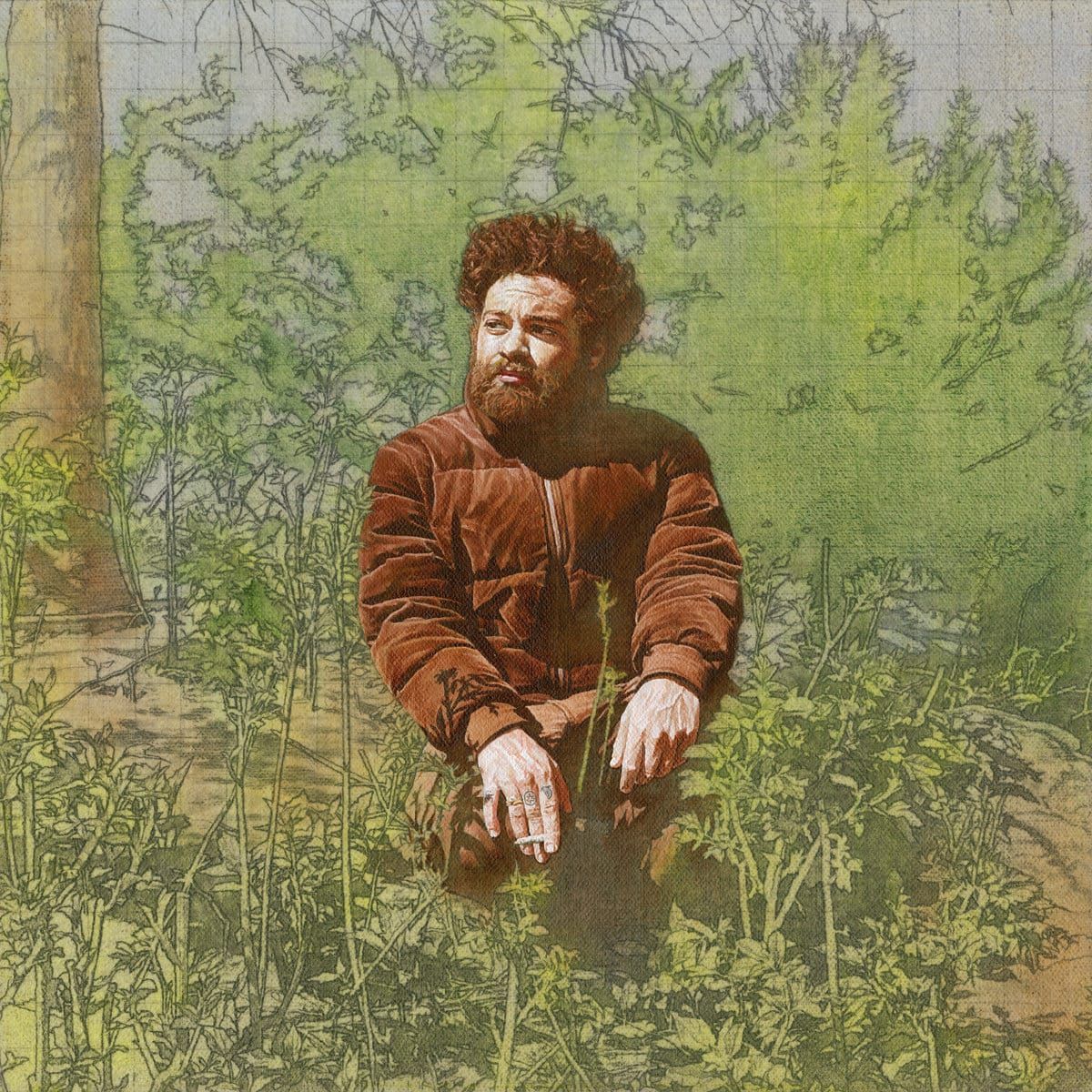
Thankfully, Wiki has given everyone occasion to hear directly from one of us with the release of his new album, Ancient History. Originally from the Upper West Side, the erstwhile Ratking rapper and unapologetic stoner freely speaks on what this city means to him throughout this 14-track effort. Now inching towards his mid-30s, he offers a romantic if nostalgic perspective on the Zoomo-produced "Park," a boroughs-wide homage to the public basketball courts where pickup games not only brought seemingly disparate groups of New Yorkers together but gave a sense of purpose and escape to many of them.
While Wiki follows in the tradition of other Nuyorican rap greats including fellow Upper West Sider Kurious, several of these songs go much deeper into a New York state of mind than one perhaps expects from our contemporary emcees. On "Bloom," a collab with Queens' own duendita (her of recent existential thottie greatness), he laments the vanishing of juice spots and other now-shuttered block staples and expresses palpable disgust over the invasive and overpriced stores cropping up in their wake, his guest echoing grievances over a dearth of spaces left to congregate.
Wiki knows–and to some grudging degree, accepts–that change is constant in his city. He slips a Lenape land acknowledgement into the knowing "IHNY" right at its start before swiftly conceding El Barrio/East Harlem's Italian roots. An album highlight, it is much a love letter as an op-ed, territorially dismissive of the bridge-and-tunnel crowd and recoiling at any sympathy for the NYPD even after 9/11 shifted the national narrative. (This is, after all, the same rapper behind "Mayors A Cop," a lowkey anthem during Eric Adams' absurdist term in City Hall.)
Anyone paying attention can tell how personal Wiki takes all this. He can't help but recall tough and tragic winters marked by North Face puffer robberies on the woozy "Marm Era" or the piss-stinking fumes of generational alcoholism on the potent "Bourbon." And still, he goes deeper, particularly on Ancient History's closing cuts, where loneliness and stubbornness collide on "Had Your Fun" and a heartfelt hopefulness emerges from the debris of "Something New" with Salimata. In the final moments of the title track, he's grappling with something profoundly existential, in a way perhaps only a real New Yorker might.


Three new tracks to snack on...
Samara Cyn, "BUSHWICK (feat. Ovrkast.)"
Open Mike Eagle & Kenny Segal, "Unfinished Concrete Initials (feat. Hemlock Ernst)"
Estee Nack & Mike Shabb, "Estupido"