Cargo Cults Found The Cure For The Oldhead Virus
Alaska and Zilla Rocca discuss their new joint album. +reviews of Brian Ennals & Blockhead; Rome Streetz

Despite our best efforts, rappers of a certain age are still often prone to nostalgia for a lost era, as are their aging fans. Even as an abundance of emcees over 40 prove relevant and vibrant to contemporary audiences, the oldhead virus remains an ongoing, vaccine-resistant threat to progress, with dismissively stubborn attitudes towards younger hip-hop artists–as well as their music and listeners–coming off like the sourest of grapes.
A veteran of the Def Jux roster and core member of the influential NYC collective Atoms Family, Alaska appears to possess the remedy to said malady. If hindsight is truly as they say 20/20, then the quinquagenarian rapper sees more clearly than a musty plurality of his generational peers.
"To judge something that's coming out right now that's not fitting these bullshit standards that I might have is ridiculous," he says with clear-eyed humility. "Looking back on my own track record, on how wrong I've been about things, thinking this record is going to be the thing that defines the era, it's not even close."
"I remember that thing, mid- late 2000s, when Smif-N-Wessun and Joell Ortiz were all like, you guys are wearing tight pants," Zilla Rocca says. "And I was always like, why do you care if Kid Cudi doesn't wear 44X Dickies? To them, it was an assault on their identity and the culture."
"I'd much rather listen to the thing I hated–performatively hated–during that period," Alaska says. "I'd rather listen to Harlem World than Reflection Eternal."
 Gavin Hellyer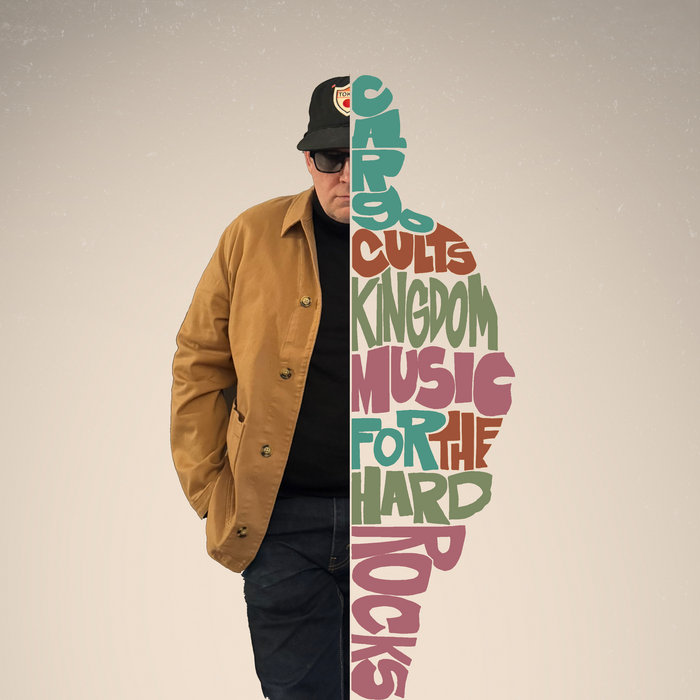
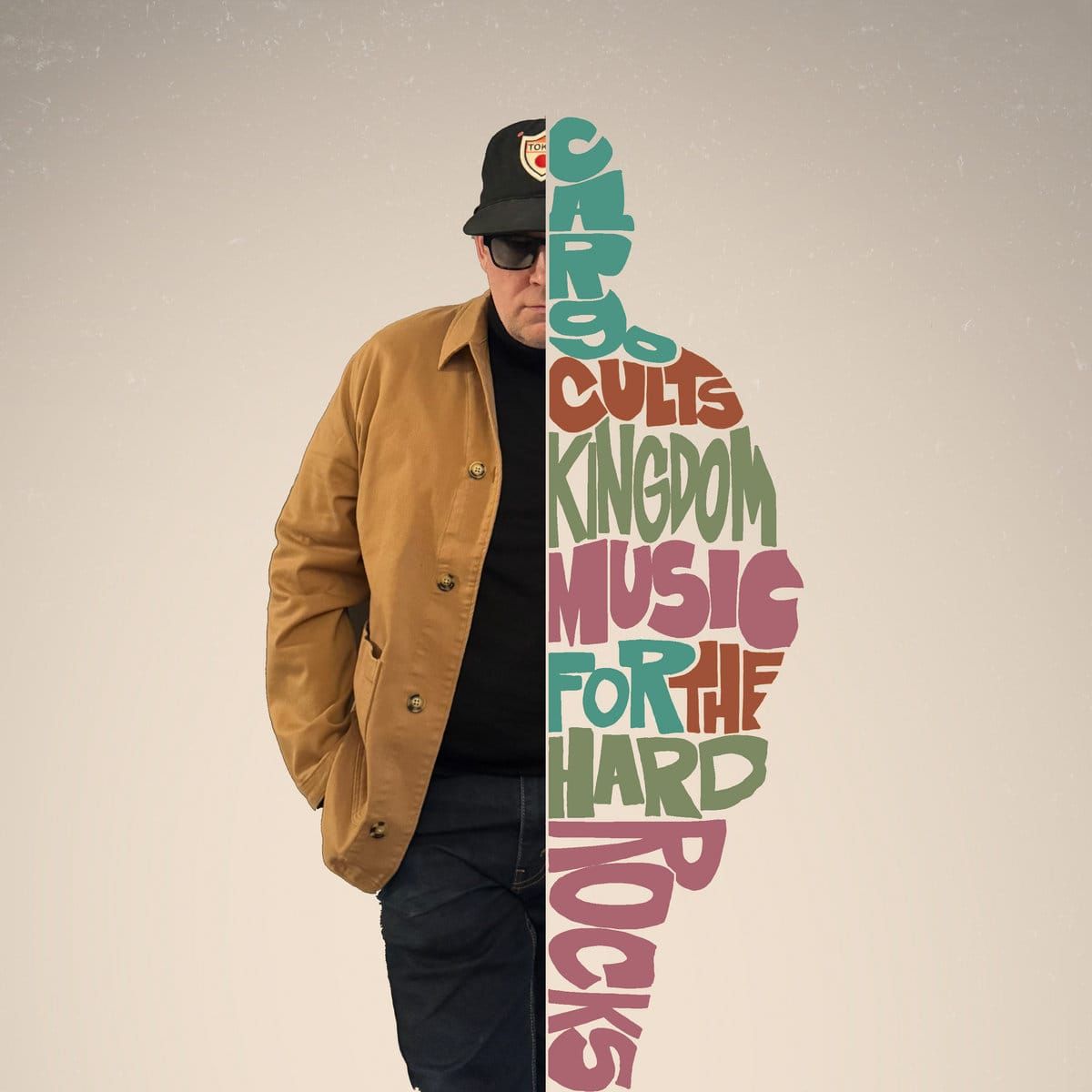
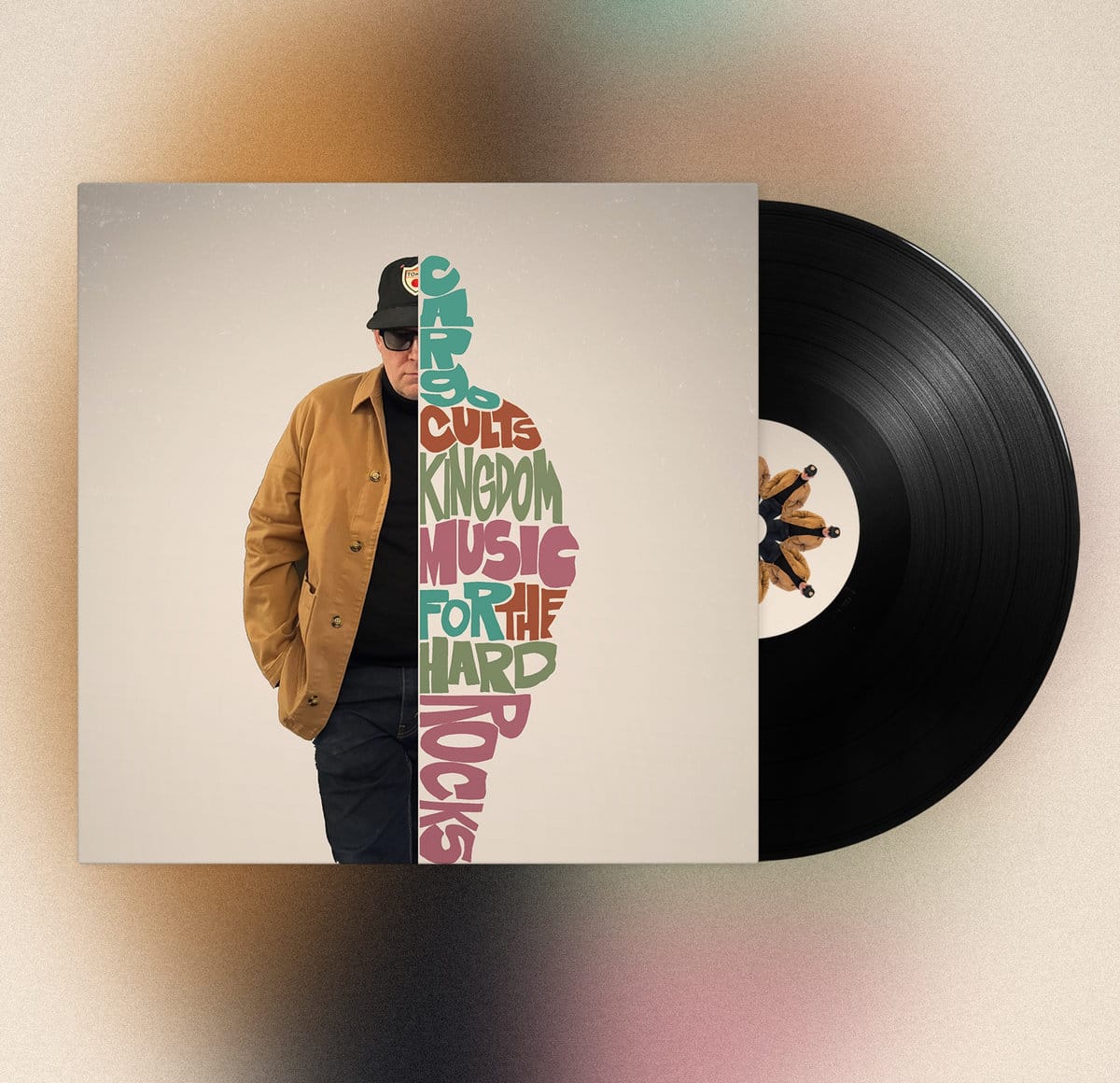
On Kingdom Music For The Hard Rocks, a second collaboration between the Call Out Culture podcast co-hosts under the Cargo Cults moniker, Alaska makes clear how disinterested he is in trend hopping or youth signaling at his big age. "When you're writing, you should be writing about your real perspective and write about what you do because there are other people that do the same things that you do and will feel it," he says. "It might not appeal to a 16-year-old, but should it?"
"We're the type of dudes that don't want to be 25 forever," Zilla says. "We have kids and your kids aren't going to like what you like–and that's fine. The same way I'm not going to like what a 16-year-old likes."
Furthermore, given Alaska's day job working at a university teeming with young people, he's fully cognizant of the cringe epidemic, another ailment afflicting older rappers who attempt to stay in the conversation through questionable music or fashion choices. "I find it really sad when I see Busta Rhymes dressing like he's 16," he adds. "What are you doing, man? I know those sneakers hurt your feet, because my feet hurt when I wear them."
"My grandpa would wear slacks with white sneakers, white socks and a frigging V-neck Lacoste cardigan just to sit on a couch in South Philly and smoke cigarettes," Zilla recalls, a reminder that timeless personal style doesn't come from chasing after what the kids are rocking.
Rest assured, none of Alaska's verses on this follow-up to the pair's 2020 debut Nihilist Millennial target the youth marketplace. Similarly, you won't find sexy drill or Afrobeats fusion in Zilla's instrumental arsenal here either. Instead, Cargo Cults deliver experience-informed rhymes over sturdy beats that recall, though never merely imitate, their shared influences.
"When we set out to make this one, we purposely said we don't want this to be grim, or soundscapes with no drums and weird atmosphere things that's become more of the style in this lane," Zilla says of the distinctions between this and their preceding project together. "The first [Cargo Cults] album sounds like the reactions to Trump and Woke 1.0. And then this album, 95% of it, is like none of that happened. It's not in that world."
In keeping with their desire to give Kingdom Music a decidedly happier vibe sonically, Zilla laces tracks like "Too Damn Old To MC" and "Skate Like A Limo" with samples drawn from hip-hop classics as he amplifies brighter textures and sturdily swinging rhythms. "My sensibility from production is very situated between Marley Marl, Pete Rock, Madlib, and Chuck Inglish," he says. "So when I make beats, that's who I'm tapping into. They've made some of the best records and have a cool approach."
"One of the things I really appreciate about his production is how rooted it is in traditional elements without sounding like it's Eastern European," Alaska says, throwing light shade at a class of foreign beatmakers unable to advance beyond the boom bap basics. "It's not a paint-by-numbers Preemo beat."
"Well, you turned down my '1998 Preemo Type Beats' folder," Zilla quips in response.
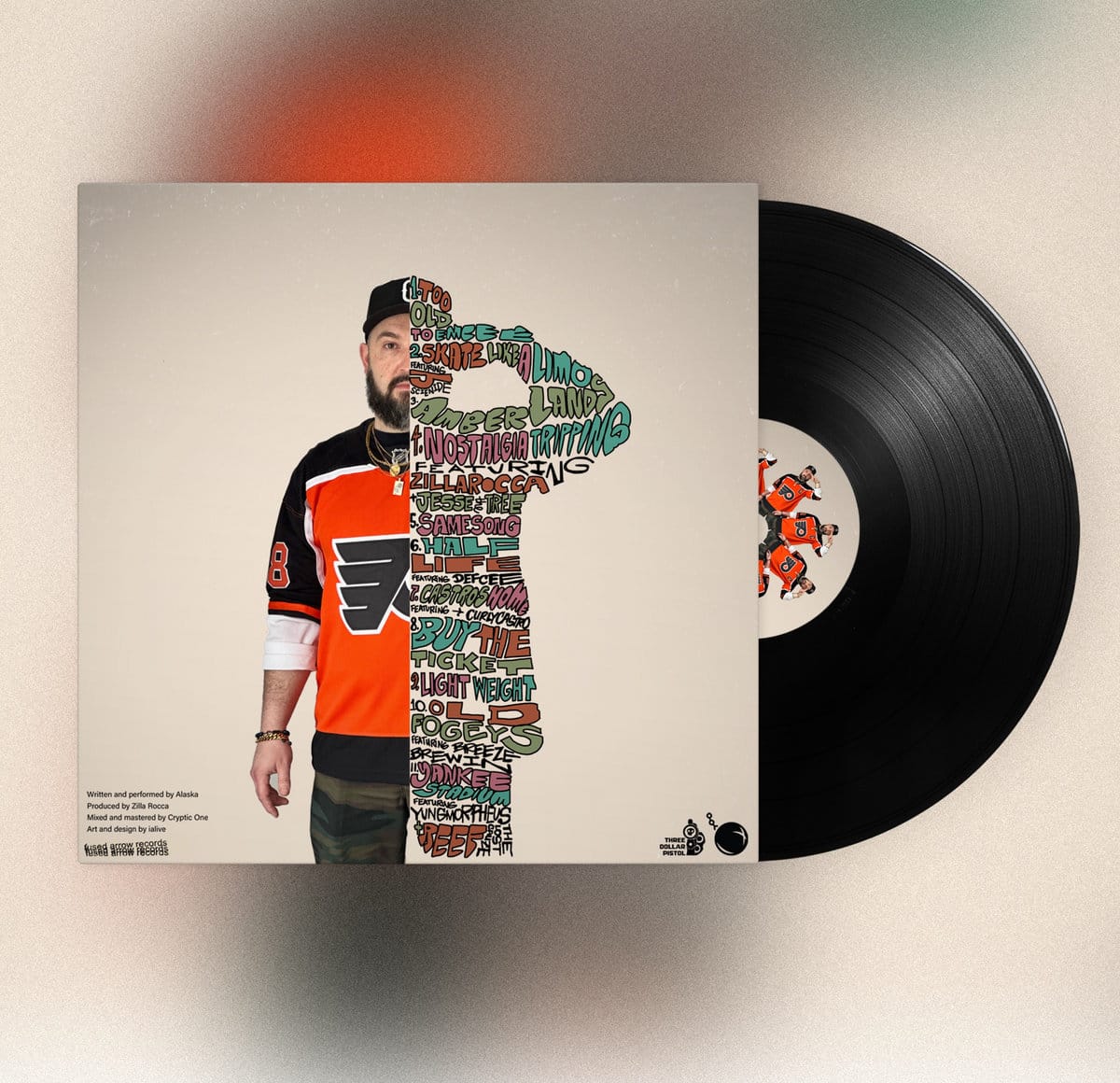
Throughout Kingdom Music For The Hard Rocks, Alaska examines his past while staring down the somewhat unglamorous realities of his present day. On "Same Song Same Rhyme," he expresses tremulous apprehension over a ringing telephone, fearing word that another dear friend or old associate has fallen ill or passed away.
"A big portion of the writing is influenced by loss," Alaska explains, citing the deaths of no fewer than three loved ones in a relatively short time period. That heightened feeling of mortality awareness was further compounded by the illnesses suffered by his other podcast co-host, the ShrapKnel rapper Curly Castro, and J Scienide, one of the album's guests. "Friends just start dying at a certain point, and there's no rhyme or reason to it. It's not like they're not dying because they are out in the street doing dumb shit."
Part of this phenomenon also prompted him to look backwards in a more considered manner, as on the rugged highlight "Amberlands" that vacillates between anecdotally insightful and intimately wistful. That persists with far less pathos on "Nostalgia Tripping," which gleefully opens with the album's sole Zilla verse and is bookended by third set of thoughtful reminiscences from Rhode Island pal Jesse The Tree.
"I'll never go to Alaska and be like, dude, why are you rapping about this old man shit?," Zilla says. "We both are in alignment."
This maturity helps to explain the fans-first rollout strategy Cargo Cults employed for Kingdom Music, released via Fused Arrow Records. Unlike other records on that label, or even those on Zilla's own Three Dollar Pistol imprint, for this they disrupted the pre-order-or-surprise-drop binary by reaching out directly to their base before going public with the news. "Early on, we were like, it's going to be invite only for a while," Zilla says, insisting that it was the one constant for an album that gestated for years.
"Everybody talks about community, wanting to have community and how important that is," Alaska adds. "So let's be a real community. You've supported us, you've rocked with us, so you got first shot."
Now that Kingdom Music is no longer an insider's secret, Alaska exudes a sense of pride in what Cargo Cults has accomplished here, an album that he and Zilla hope will appeal and connect beyond their loyal core audience. Arguably, they've accomplished that goal, ensuring that listening to new work from older rappers and producers doesn't have to feel like grudgingly eating one's vegetables or wincing at artistically pratfalls.
"A lot of creativity comes around being able to stay within the lines of what that genre is, but finding creativity in there," Alaska says. "You might not expand out, but you're going to expand up. You're still in bounds."

Rome Streetz, Sock It 2 My Pocket
The lineage of Queens rap leads directly to Rome Streetz. Raised in the borough that brought us Mobb Deep and Nas (but also MC Shan and N.O.R.E. and 50 Cent and Nicki Minaj, etc.), he fully embodies the cleverly crafted, streetwise hip-hop that the world has come to associate with NYC. On Sock It 2 My Pocket, his most ambitious work to date, he firmly affirms his homegrown status while showing off a broader range of his artistry. The production roster here helps to explain this noticeable growth, with the likes of Havoc, Pete Rock, and 9th Wonder backing his agile flows and intricate lyricism on ".22," "Son Of A Gun," and "High Speed," not to mention familiars Conductor Williams and The Alchemist. Nodding to a Queensbridge legend, he leads the capacious "95 Mega On Shrooms" with localized hyperawareness and globetrotting grace as an on-point Styles P backs him up accordingly. A matured Lloyd Banks delivers a grizzled feature on the hardened "Prada In The Polaroid," while Westside Gunn fires off characteristically nefarious bars for the buzzing, Denny Laflare-helmed "Marathon Or Race."
Brian Ennals & Blockhead, Boatshoes
Few producers have endured and thrived in the rap underground quite like Blockhead. His enviable discography across some two decades includes seminal collabs with Aesop Rock, Cage, and billy woods, in addition to his exemplary instrumental efforts. With Boatshoes, he formally adds Brian Ennals to that estimable emcee roster, fulfilling the unspoken promise of their 2023 one-off "Sad Vampire." Anyone familiar with the brash Baltimore rapper's incendiary, snowblind albums with Infinity Knives will immediately latch onto the riotously ribald "Signed Sealed Delivered" and the heavy hitting "Soy Boy." Yet the album brings out something different from both artists, a nuanced pivot made subtly evident with appetizing album opener "Aldente" and continuing on notably poppy cuts like "Let It Burn (Like Usher)" and the eye-opening "Shyne." Even as they flirt with accessibility, their collective edginess and wit remains reliably intact, as on the lewdly honest "Wet Noodle."

Three new tracks to snack on...
Saul Williams, "Robot Slave"
Chad Hugo, "Jumpupw!nya (feat. Tierra Whack, Leikeli47)"
Inspectah Deck, "Day In The Life (feat. Baegod)"